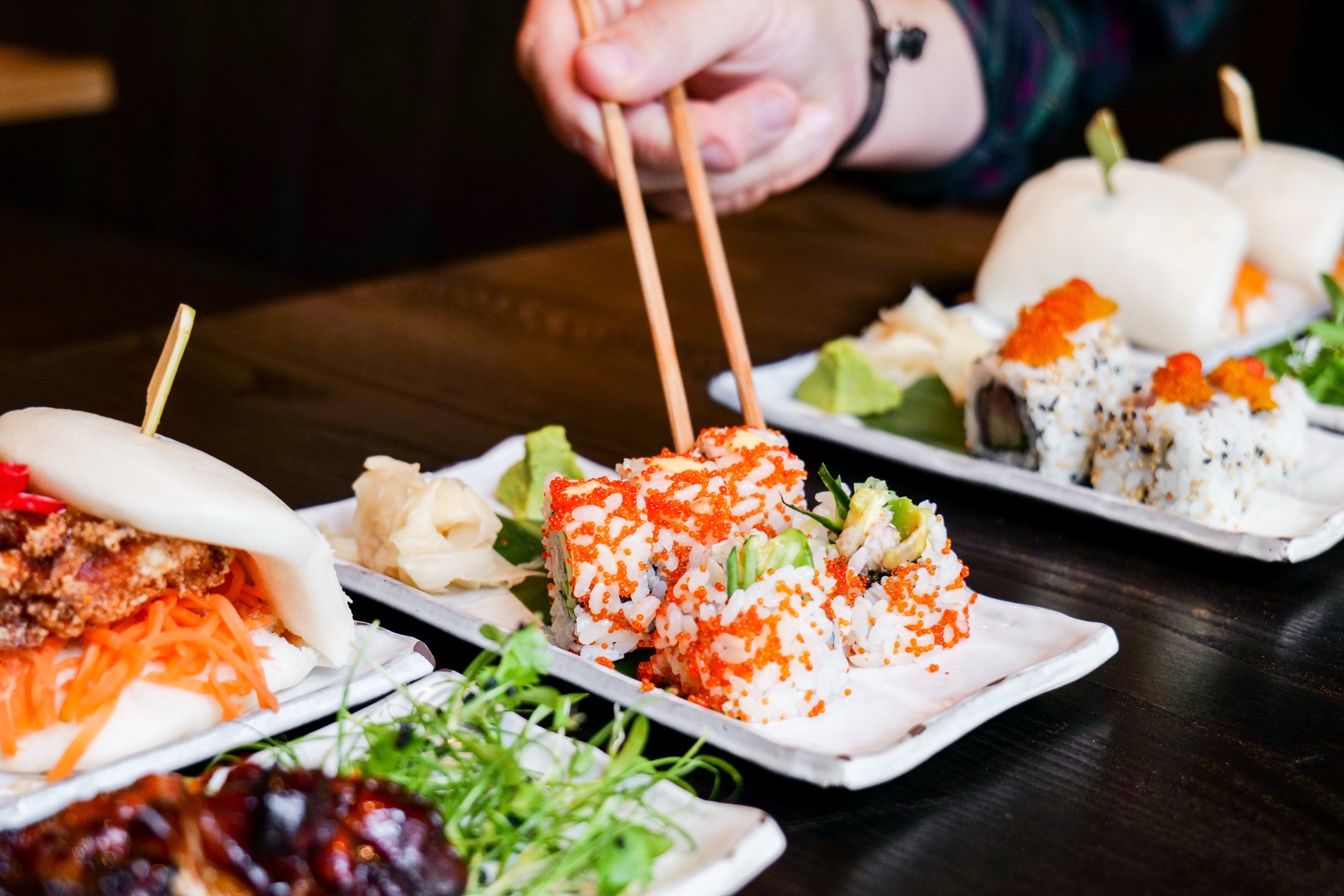
When you think about Japanese food, chances are you picture sushi, steaming bowls of ramen, or delicate bento boxes. But beyond the presentation and flavour, something many people ask is simply: is Japanese food healthy? The short answer? Yes, traditional Japanese cuisine is actually widely recognised as one of the healthiest cuisines in the world. From fresh seafood and seasonal vegetables to the philosophy of eating in moderation, it’s a way of eating that supports both body and mind.
Let’s explore and answer the question is Japanese food fattening, what makes Japanese cuisine healthy, where it shines, where you might want to be cautious, and how you can enjoy more of it in your own life.
Understanding Traditional Japanese Cuisine
Before diving into the health aspects, it’s important to understand what traditional Japanese food really looks like. It’s not all sushi rolls and noodles like what modern media portrays.
At its heart, Japanese cuisine is about balance, variety, and simplicity—values deeply woven into every aspect of the dining experience. These principles are reflected not just in high-end omakase meals, but in everyday Japanese dishes as well.
Core Elements of Japanese Cuisine
A typical traditional meal might include:
- Rice – A staple in almost every meal, usually plain and portioned modestly.
- Seafood – Rich in omega-3s, often grilled or served raw (as sashimi or sushi).
- Vegetables – Seasonal, locally sourced, and often pickled or lightly cooked.
- Fermented foods – Like miso or natto, which support gut health.
- Minimal dairy and red meat – These are consumed occasionally, rather than daily.
Cooking Techniques and Portion Sizes
Unlike many Western dishes, Japanese meals avoid heavy sauces or deep-frying (with some exceptions such as yoshoku dishes like tempura). Instead, food is grilled, steamed, or served raw to preserve its nutritional value.
Plus, meals are made up of small dishes — you’re encouraged to eat a little of everything, rather than piling your plate high.
Key Health Benefits of Japanese Food
So, is Japanese food healthy because of what’s in it — or what’s not? The answer is both.
Nutrient-rich and Low in Calories
From seaweed and tofu to green tea and vegetables, Japanese meals pack a lot of nutrients without being calorie-dense. It’s one of the reasons the traditional Japanese diet is considered a key contributor to the long lifespans that the country is known for.
Omega-3s from Seafood
Japan’s love of fish isn’t just cultural — it’s healthy, too. Regular consumption of fatty fish like salmon and mackerel provides omega-3 fatty acids, which support heart and brain health.
Gut-Friendly Fermented Foods
Fermented foods such as miso, natto, and pickled vegetables offer a natural source of probiotics. These help to support a healthy digestive system and this is something the Japanese have been doing for centuries, well before it became trendy.
A Diet That Supports Longevity
Ever heard of the Okinawa Blue Zone? This region of Japan is home to some of the world’s longest-living people, many of whom follow traditional dietary patterns. The health benefits of Japanese cuisine are strongly linked to reduced risks of heart disease, diabetes, and obesity.
Is Sushi Healthy?
Sushi has become a global phenomenon — a symbol of refined, minimalist dining that appeals to both foodies and health-conscious eaters. But is sushi healthy? The answer depends on what kind you’re eating, how it’s prepared, and how often it appears on your plate.
What’s in It?
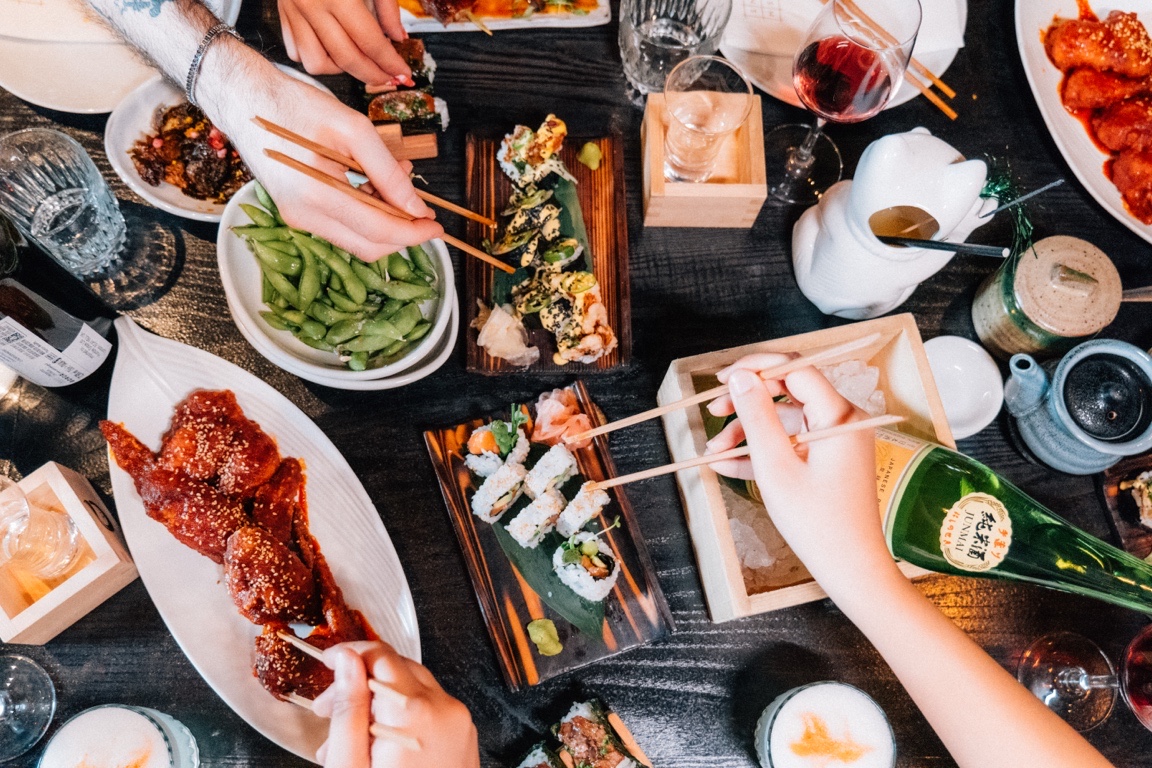
At its core, sushi is a simple combination of rice, raw fish, and seaweed. Add vegetables, pickled ginger, and wasabi, and you’ve got a nutritious bite. Fish is full of protein and omega-3s, while seaweed brings in iodine and fibre.
What to Watch Out For
While sushi itself can be healthy, you still need to eat it in moderation. Soy sauce can be extremely high in sodium, and white rice — especially in large portions — has a high glycaemic index. Also, certain fish like tuna can contain mercury, which is best consumed moderately.
Healthier Choices
If you’re trying to keep it light, go for brown rice rolls, sashimi (no rice), or veggie-based options. These can satisfy cravings without becoming something that’s ‘bad for you.
Common Misconceptions About Japanese Food
Let’s clear up a few myths.
“All Japanese Food is Low-Calorie”
Not true. Ramen, tempura, and katsu curry are all delicious, but definitely not diet food. You should always avoid eating too much, no matter how good it is.
“Raw Fish is Always Safe”
Generally, yes, especially in Japan where quality control is high. But when dining elsewhere, always make sure that the fish is sushi-grade and properly stored.
“Soy Sauce is Harmless”
It might seem like a small splash, but soy sauce is extremely high in sodium. Look for low-salt versions or use sparingly.
Can Japanese Food Help You Lose Weight?
If you’re trying to shed a few pounds, the ”Japanese” way of eating might be worth adopting not just because of what’s on the plate, but how it’s consumed. Japanese meals tend to prioritise fresh, minimally processed ingredients served in modest portions, with a focus on variety and balance.
Satiety Without Overeating
Thanks to the high fibre and protein content of traditional meals, you’re likely to feel full without consuming excessive calories — one of the reasons many find Japanese cuisine healthy and helpful for weight control.
Calorie Conscious Yet Nutrient-Dense
You can enjoy hearty meals without worrying about being overly full — or lacking nutrients. Dishes such as miso soup, sashimi, kani salads, and simmered vegetables are low in calories but packed with vitamins, minerals, and antioxidants. This mindful approach to food helps support energy levels and overall well-being, making it easy to feel satisfied without overindulging.
Japanese Food and Special Diets: Can Everyone Enjoy It?
Whether you’re vegan, gluten-free, or following keto, there’s something in Japanese cuisine that makes it healthy for you.
Gluten-Free
While soy sauce (which contains wheat) is a staple in many Japanese dishes, alternatives like tamari make it easy to enjoy the same umami depth without the gluten. Most rice-based dishes are naturally gluten-free, making the cuisine an excellent choice for those with coeliac disease or gluten sensitivity.
Safe bets for gluten-free eaters include:
- Grilled fish or meats with rice and steamed vegetables
- Sashimi, which contains no gluten unless dipped in traditional soy sauce
- Mochi (rice cakes) and rice noodles, depending on preparation
- Hot pots or nabe, if the broth is gluten-free
Just be sure to double-check ingredients if you’re adding in extra flavours If you’re adding in extra flavours, as hidden sources of gluten can sometimes sneak in through sauces or marinades.
Keto
Rice and noodles may be a major part of the traditional diet, but Japanese cuisine still has plenty to offer those following a low-carb or ketogenic approach. The focus on protein, healthy fats, and vegetables makes it easy to craft keto-friendly meals.
Great options for keto eaters include:
- Sashimi platters (just raw fish, no rice)
- Yakitori (grilled skewered meats) without sweet sauces
- Grilled salmon or mackerel, both rich in omega-3s
- Brothy soups, like clear fish or vegetable-based soups without noodles
When eating out, just skip the rice and ask for extra veggies or protein. Most Japanese menus offer enough flexibility to suit your needs.
Final Thoughts: Is Japanese Food Healthy?
Still curious if Japanese food is fattening? The answer is simple: no, not when eating in moderation. Without a doubt, Japanese food can be incredibly healthy—when eaten mindfully and in its traditional form. With its variety, balance, and focus on fresh, unprocessed ingredients, it’s a fantastic way to nourish your body while still enjoying every bite.
Whether you’re dining out at a spot like Flesh & Buns or trying your hand at Japanese cooking at home, you can still enjoy the best of this cuisine while supporting your health goals.
Curious about more Japanese cuisines? Click here to know more about us or get in touch with us on our socials: